Upper Midwest
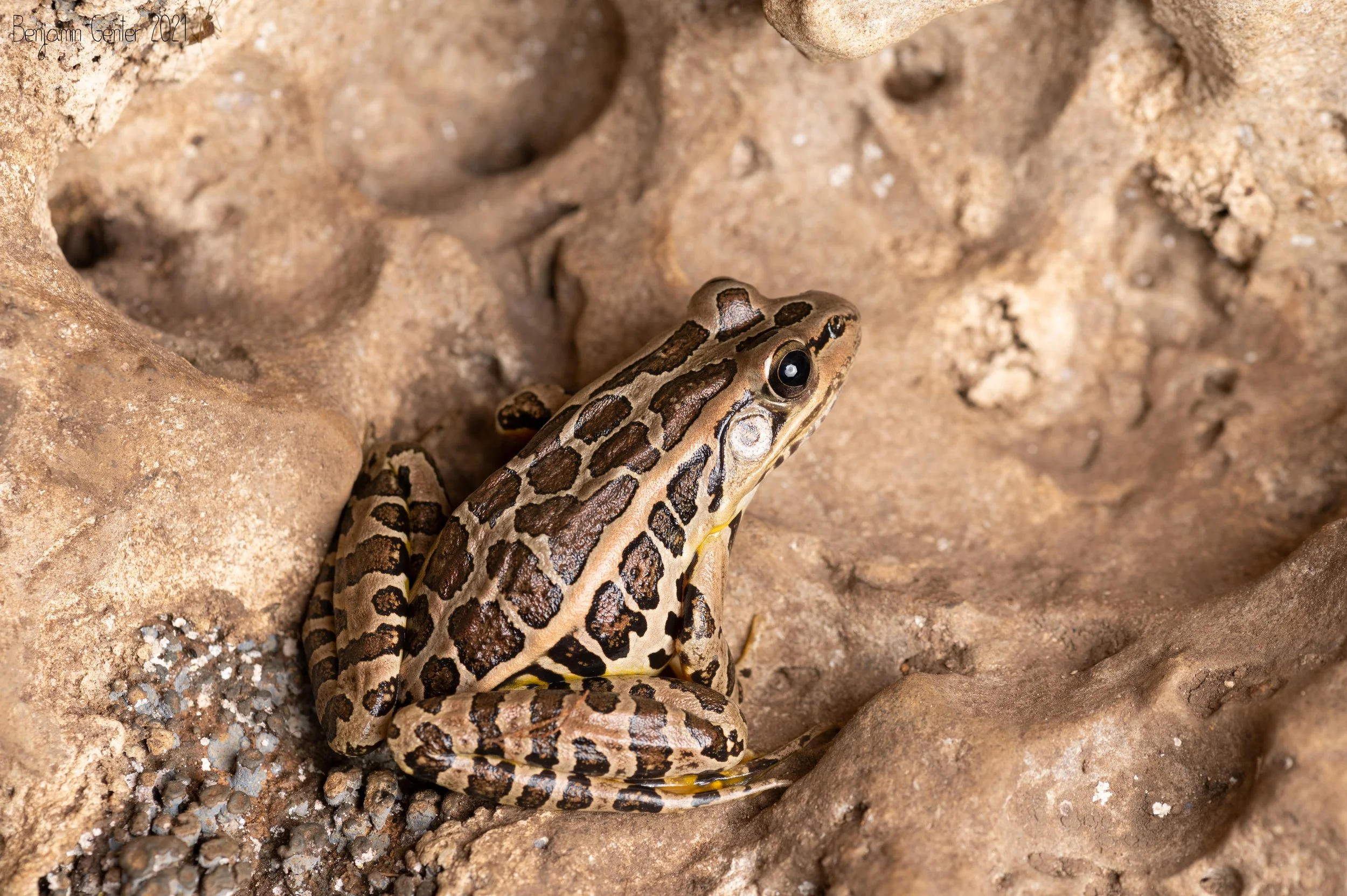
Growing up in southern Indiana, the karstic landscape made caves quite common and readily available. I had the opportunity to explore many caves across the region, and was even lucky to discover some new ones. Unfortunately, these caves are not blessed with a diversity of herpetofauna, and instead have a predictable array of species that you find in caves across the eastern United States. Pictured below are two of these, the pickerel frog (Rana palustris) and cave salamander (Eurycea lucifuga). These are not cave obligates and tend to be found anywhere there is karst on the landscape, but in the winter they often retreat deeper underground or into caves where temperatures are stable.
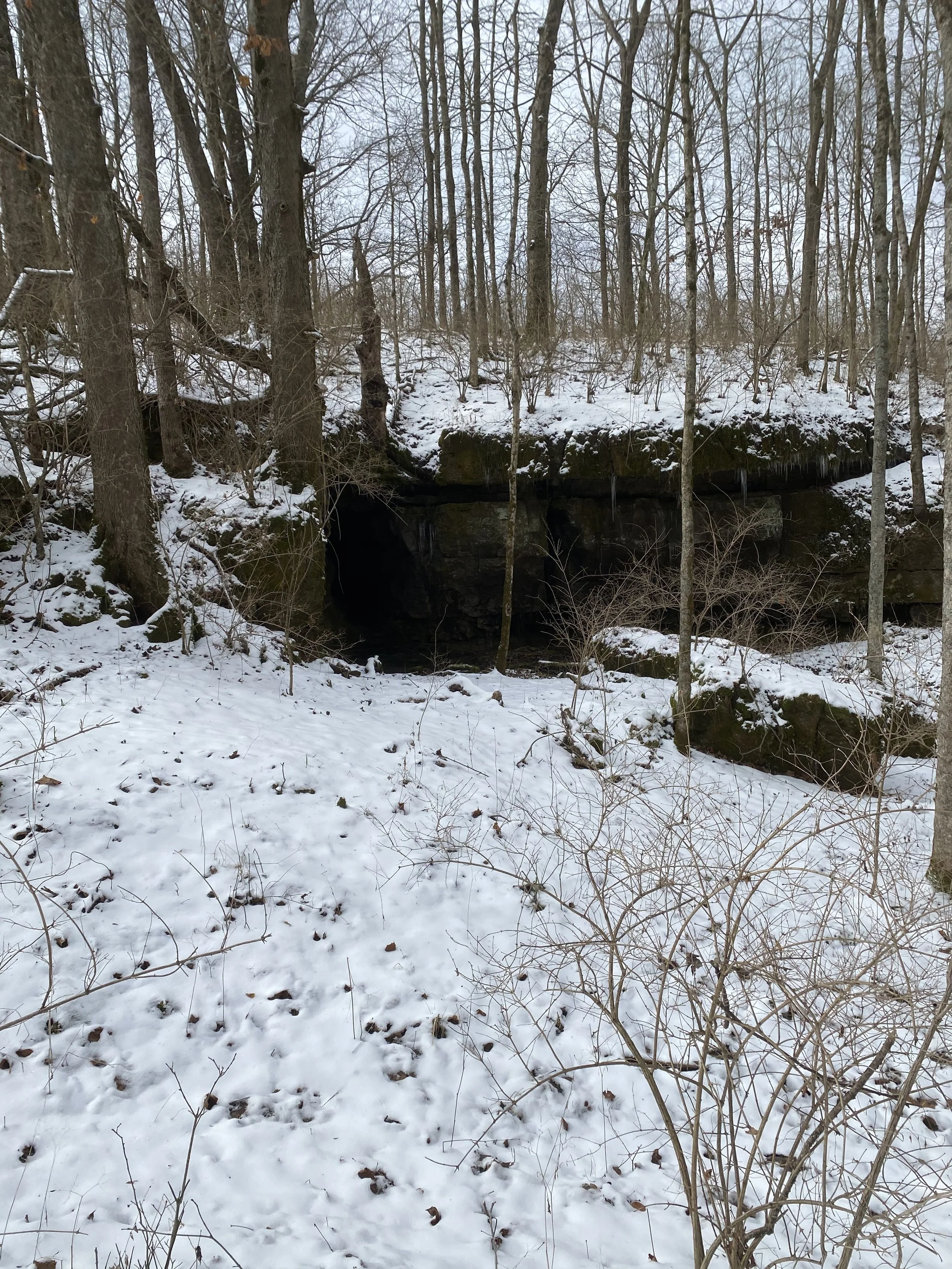
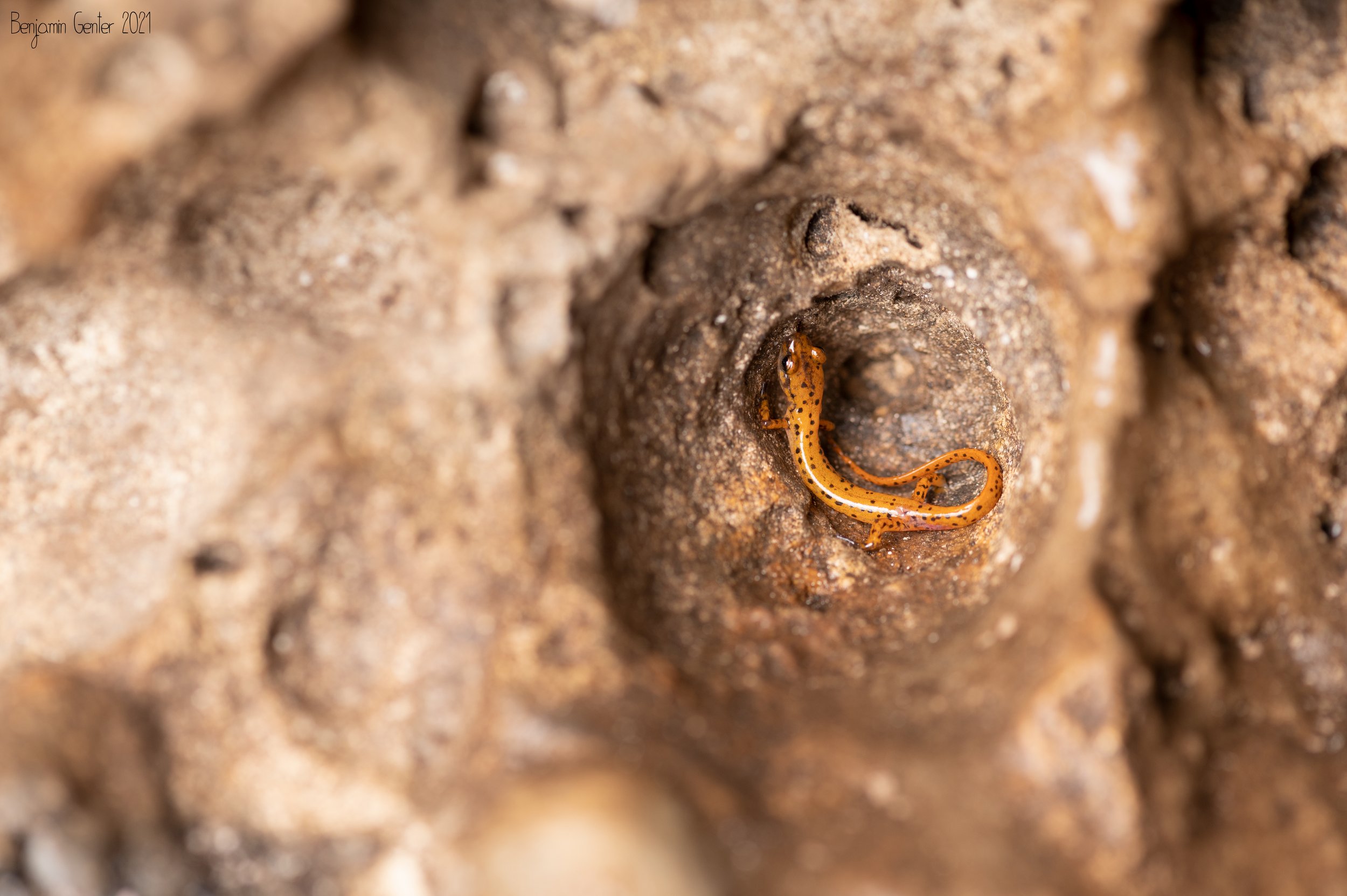
Other species commonly observed in Indiana caves include northern slimy salamander (Plethodon glutinosus), long-tailed salamanders (Eurycea longicauda), and northern dusky salamanders (Desmognathus fuscus)
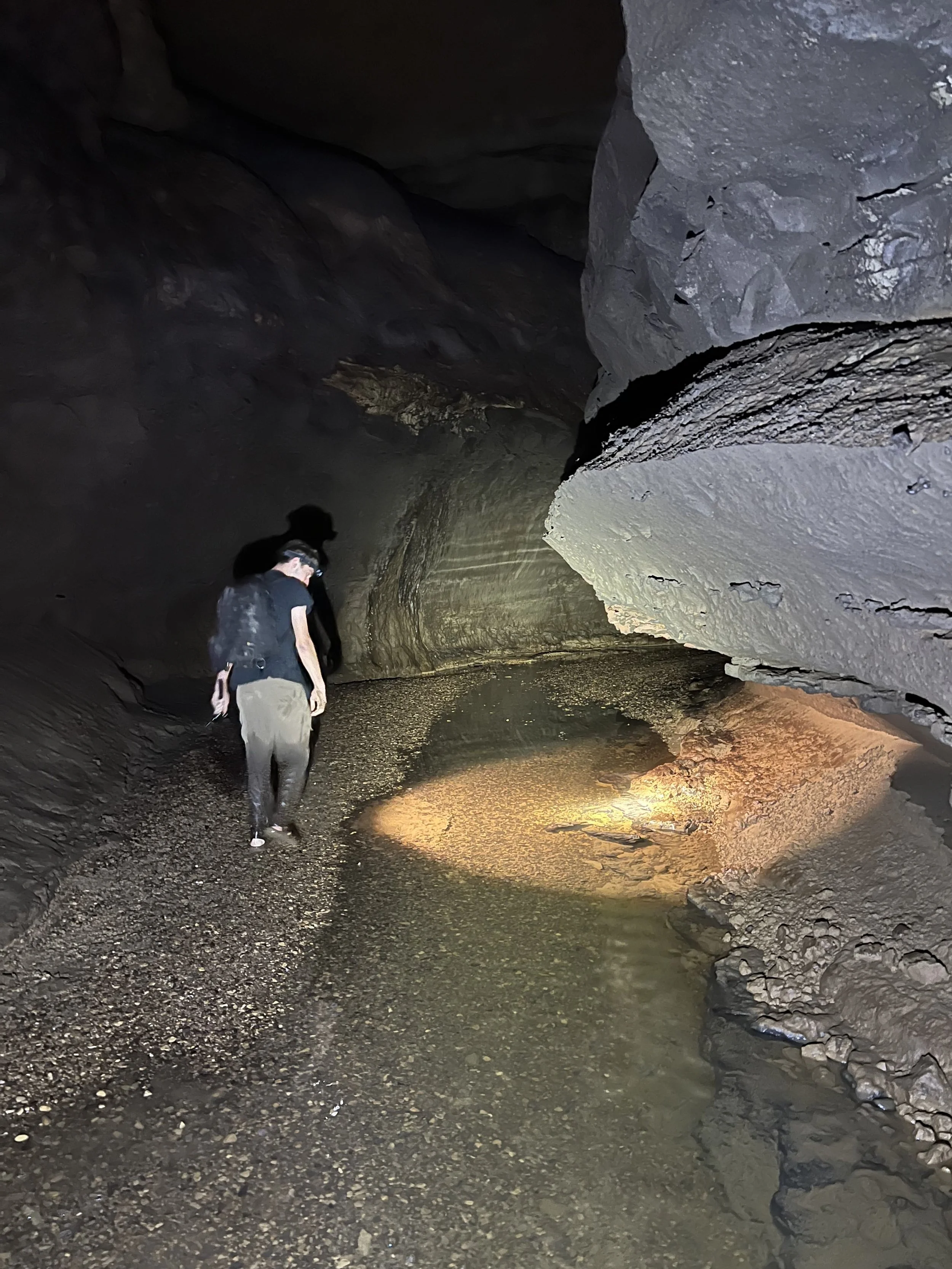
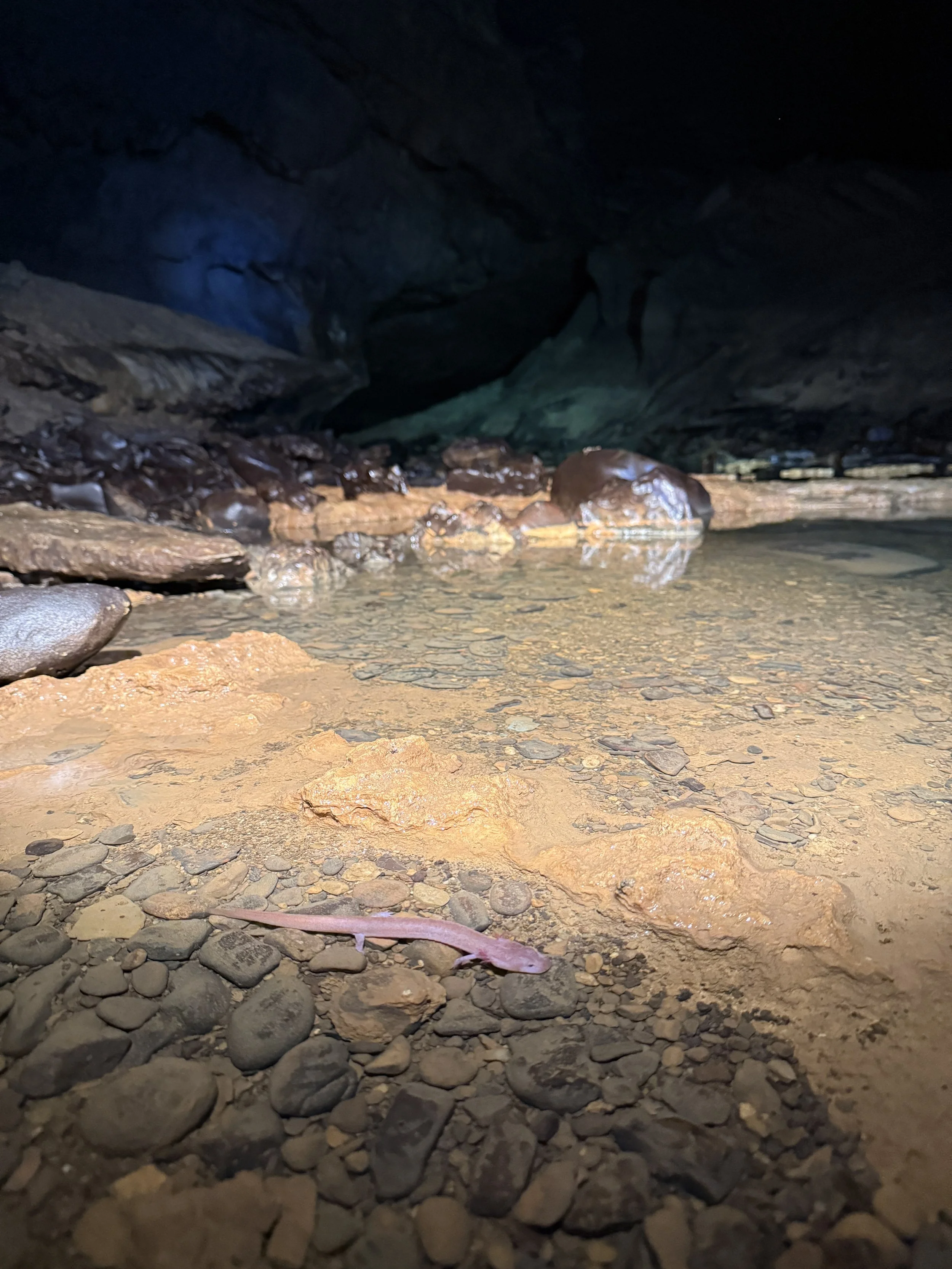
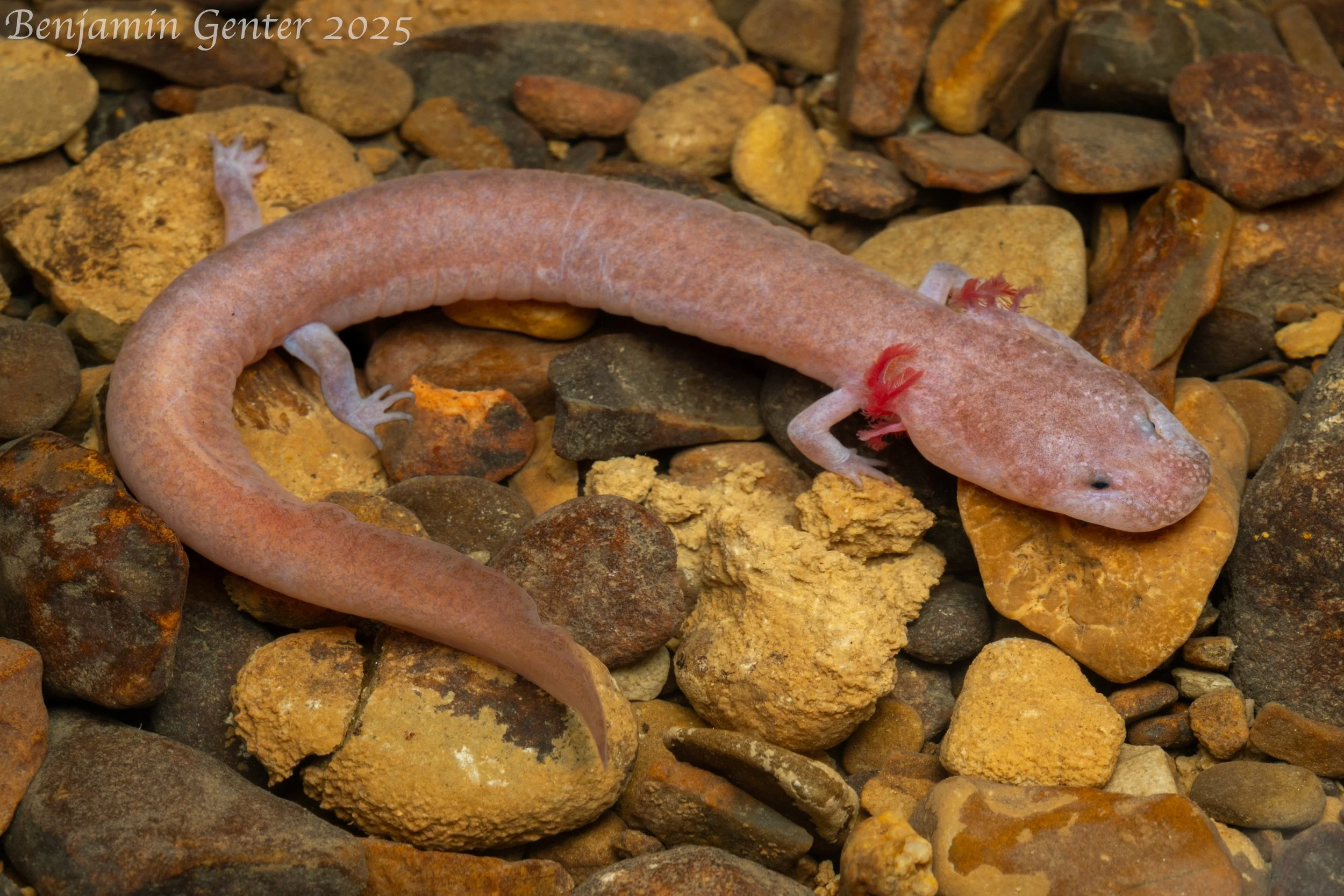
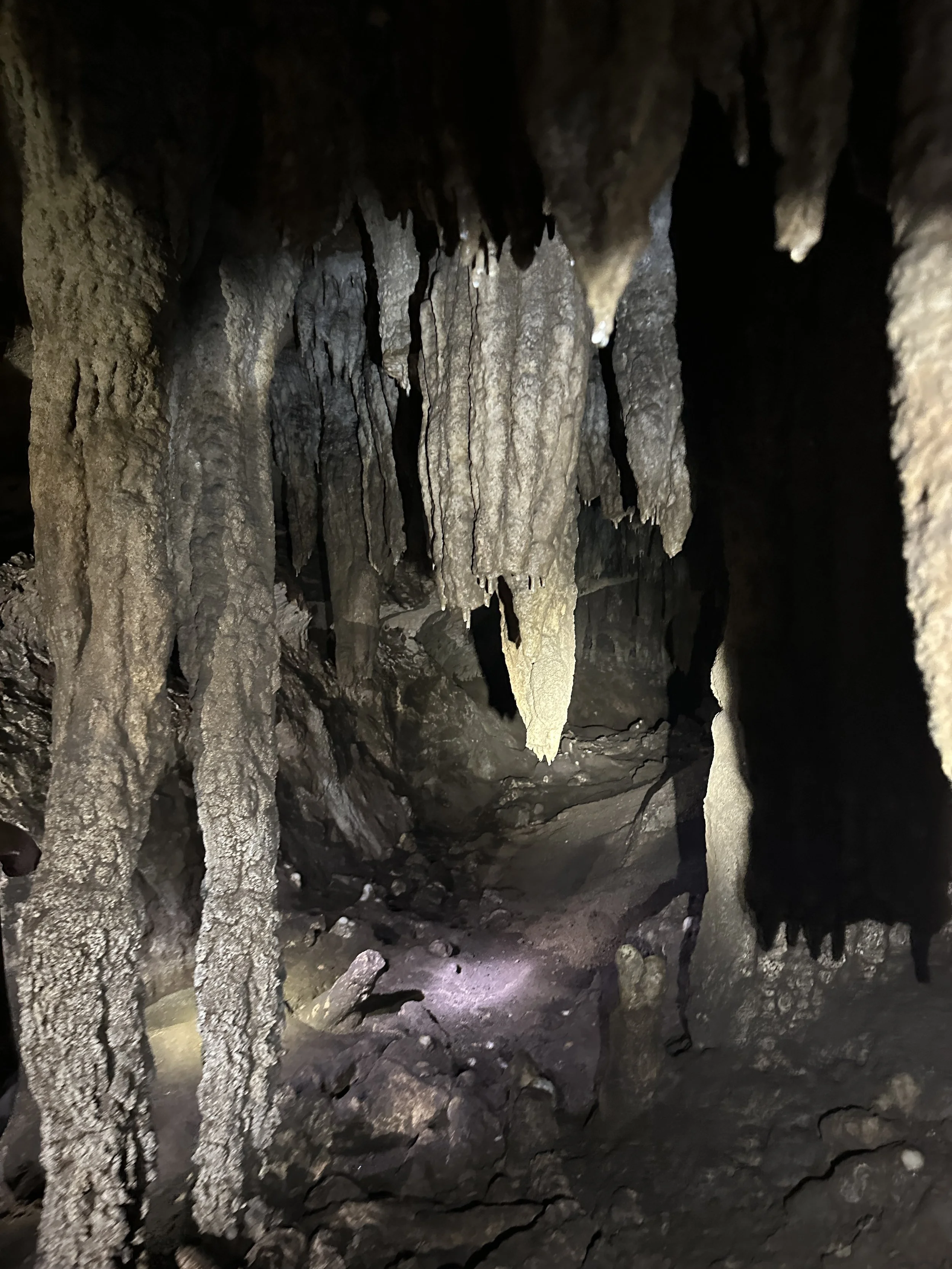
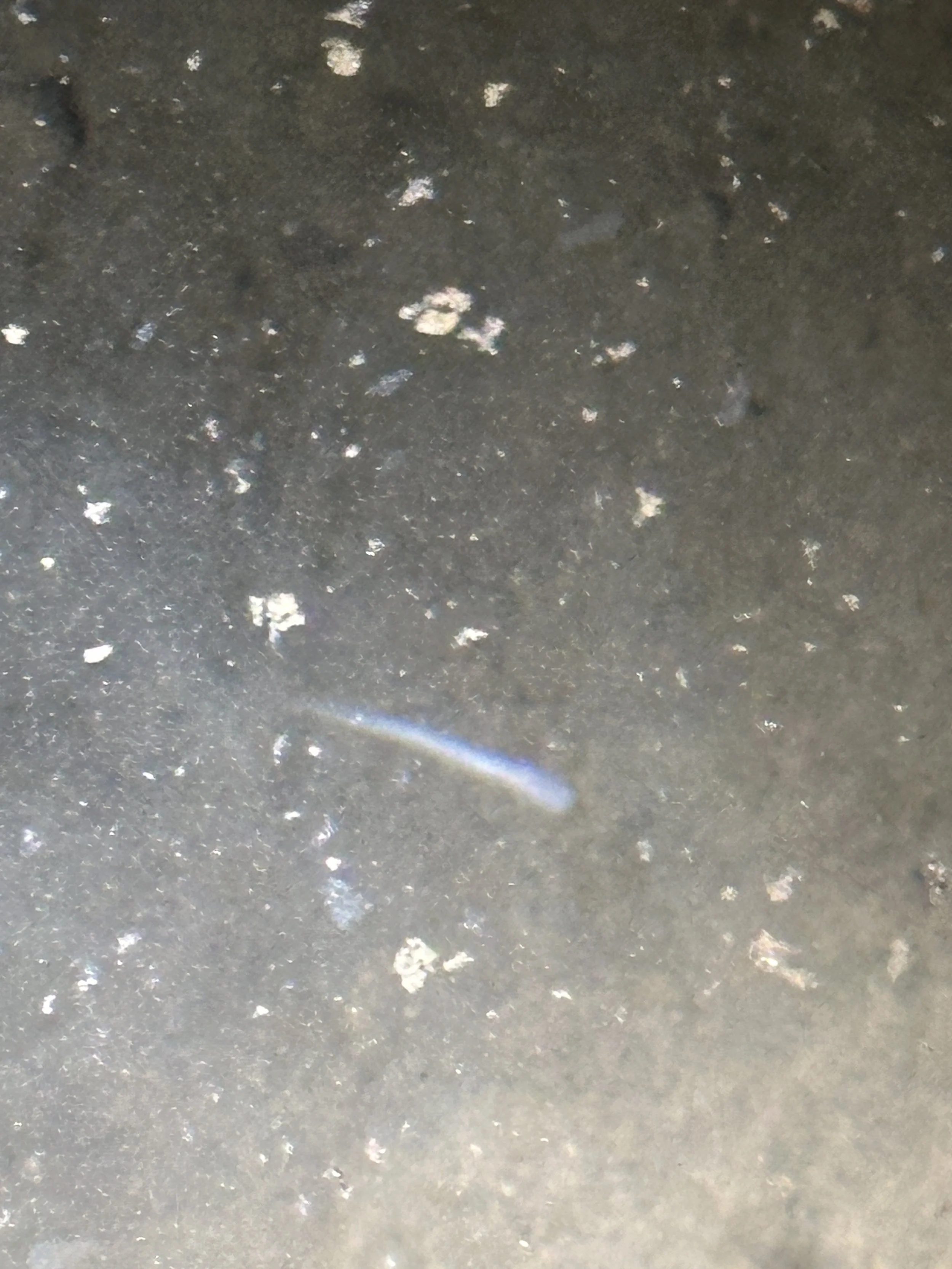
Further northeast, in the greater Knoxville area, a lesser known and far more range restricted species occurs. This being the Berry Cave salamander (Gyrinophilus gulolineatus). This species is known from less than a dozen cave, and of these localities, only a few are known to sustain robust populations. Fortunately for the salamanders, all localities are protected by physical barriers and dutiful landowners. Pictured at right is a view from within a known cave for this species and a very large adult G. gulolineatus. What a privilege to be able to observe this special species in its natural habitat!
The Cumberland Plateau, particularly where it overlaps with the TAG region (Tennessee/Alabama/Georgia) is a hotspot for cave biodiversity. This is reflected in the salamanders as well, with a couple species being endemic to caves in this region.
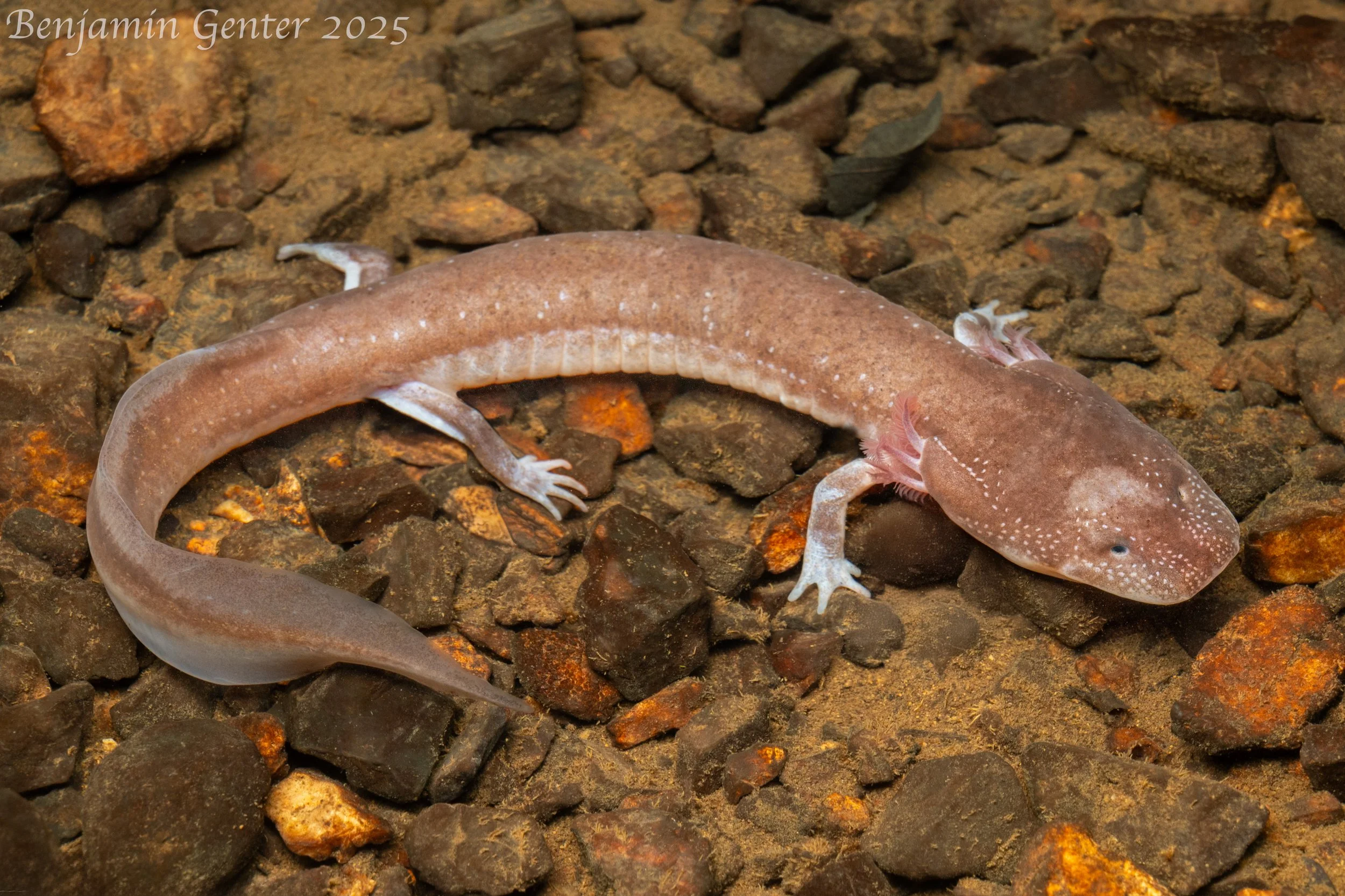
Most common and widespread of these species is the Tennessee cave salamander (Gyrinophilus palleucus). This species occurs in a number of caves in all three states. Pictured at left is a locality for this species, and an individual representing the nominate subspecies (G. p. palleucus).
Cumberland Plateau
Floridan Acquifer
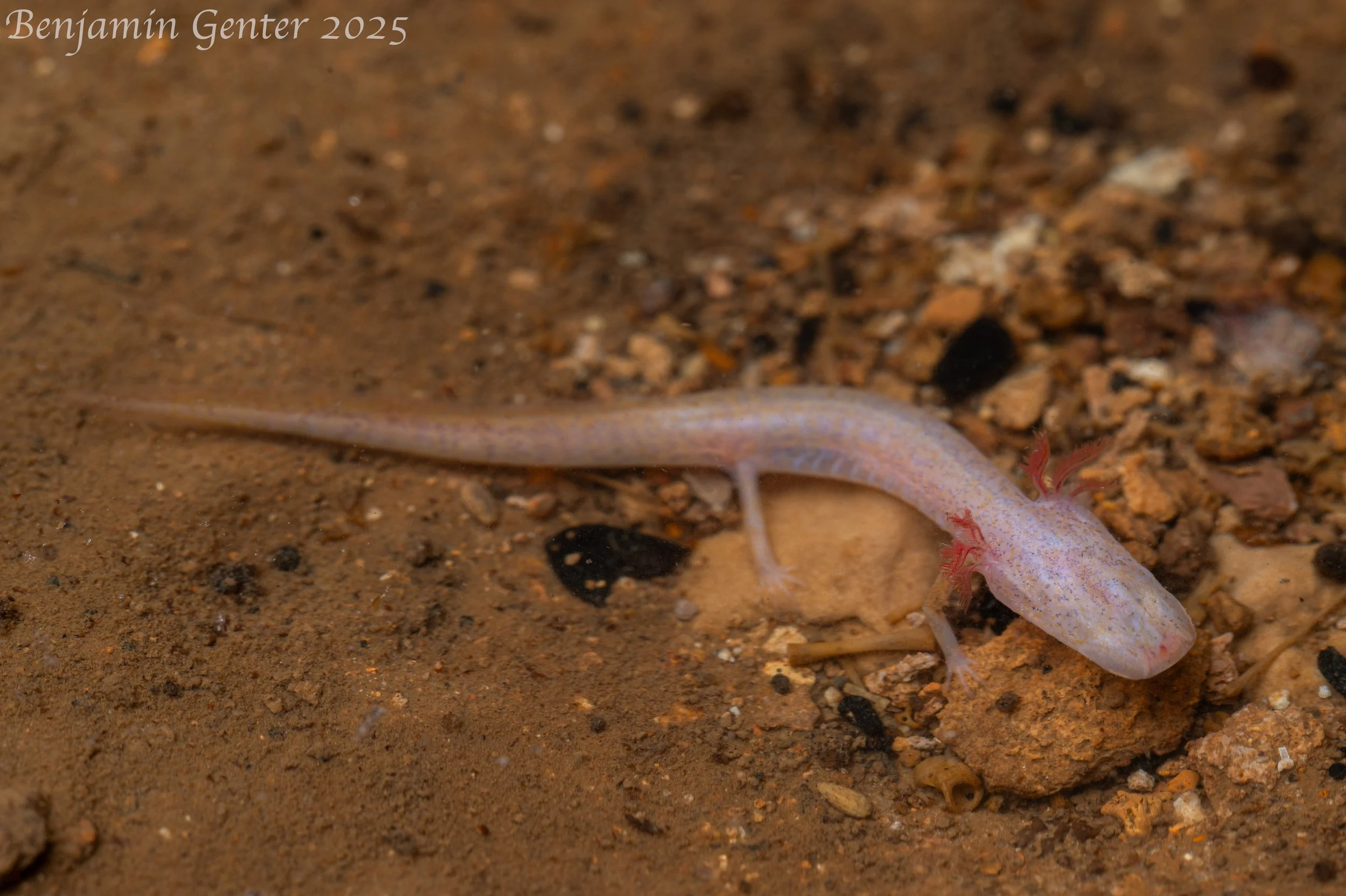
The Floridan Aquifer, specifically where it overlaps with the Marianna Lowlands (Florida) and Dougherty Plain (Georgia), forms the habitat and range for the Georgia Blind Salamander (Eurycea wallacei). This species used to be in its own genus (Haediotriton), but was found to be deeply nested within Eurycea and the genus was hence synonymized.
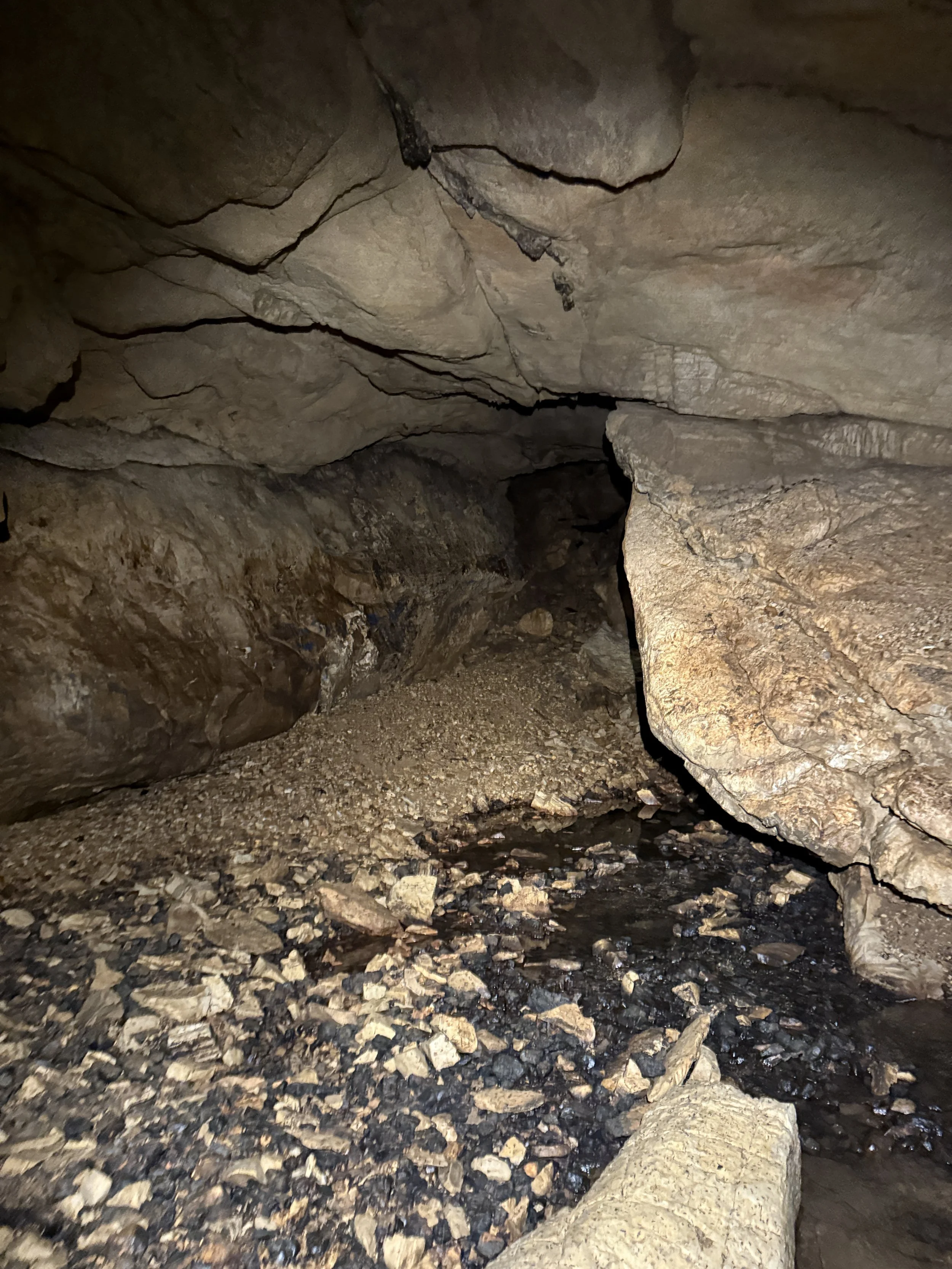
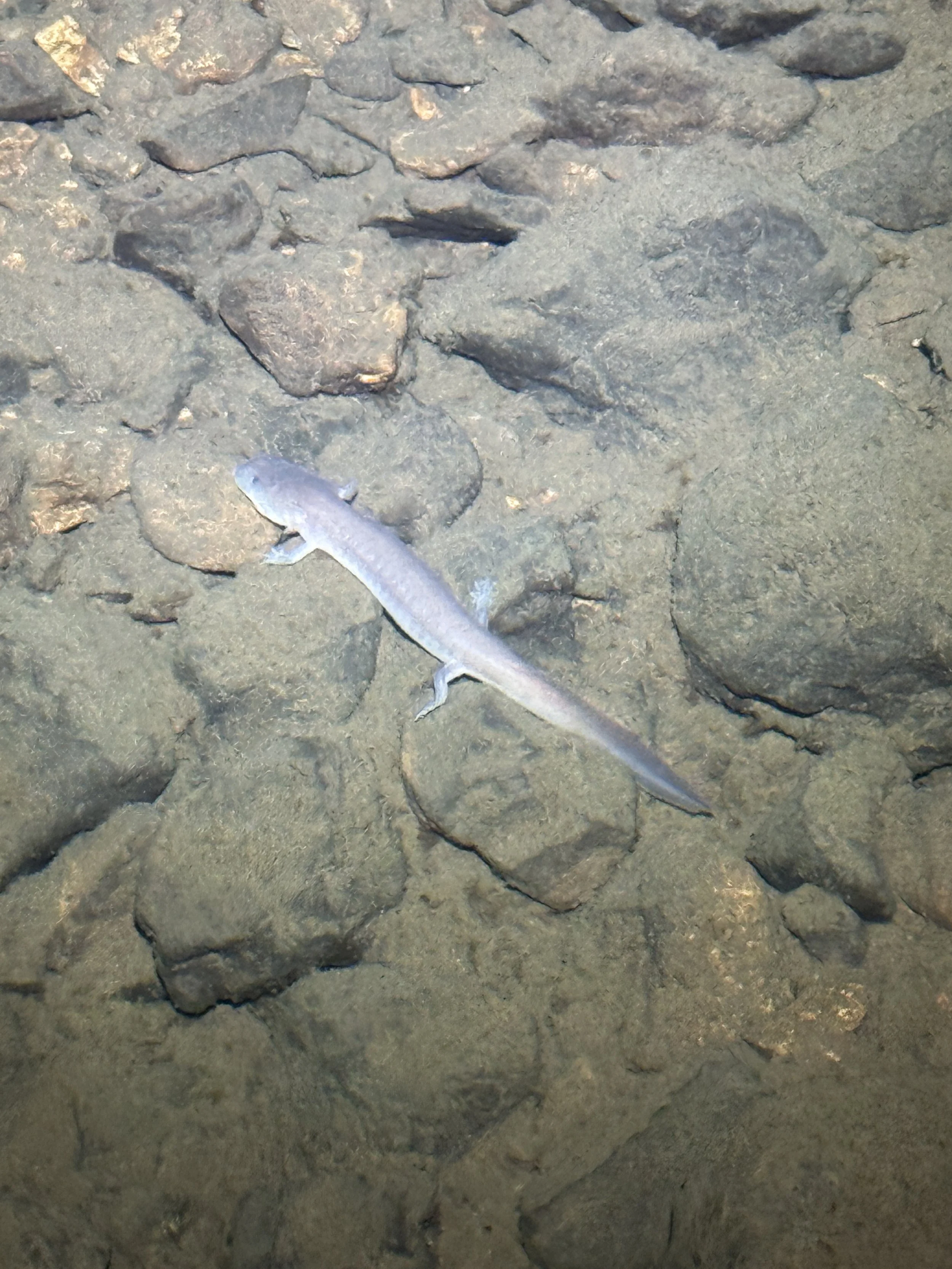
Eurycea wallacei inhabits caves that have direct access to the Floridan Aquifer, which greatly limits the caves available observing this species. Many localities for this species require scuba diving equipment, but luckily not all. Pictured at right is a locality for this species and one of several individuals I was lucky enough to observe.